How we work
Four stages. Forty days. Nothing hidden in the middle.
A cut-and-sew unit starts at stage three, with your tech pack in its hand. We start two stages earlier, and the calendar below is the same one our merchants work to.
01 — The method
Discover
Before there is a style, there is a fabric and a market.
- Sources
- Ludhiana · NCR · Surat · China
- Output
- Swatch shortlist with lead times
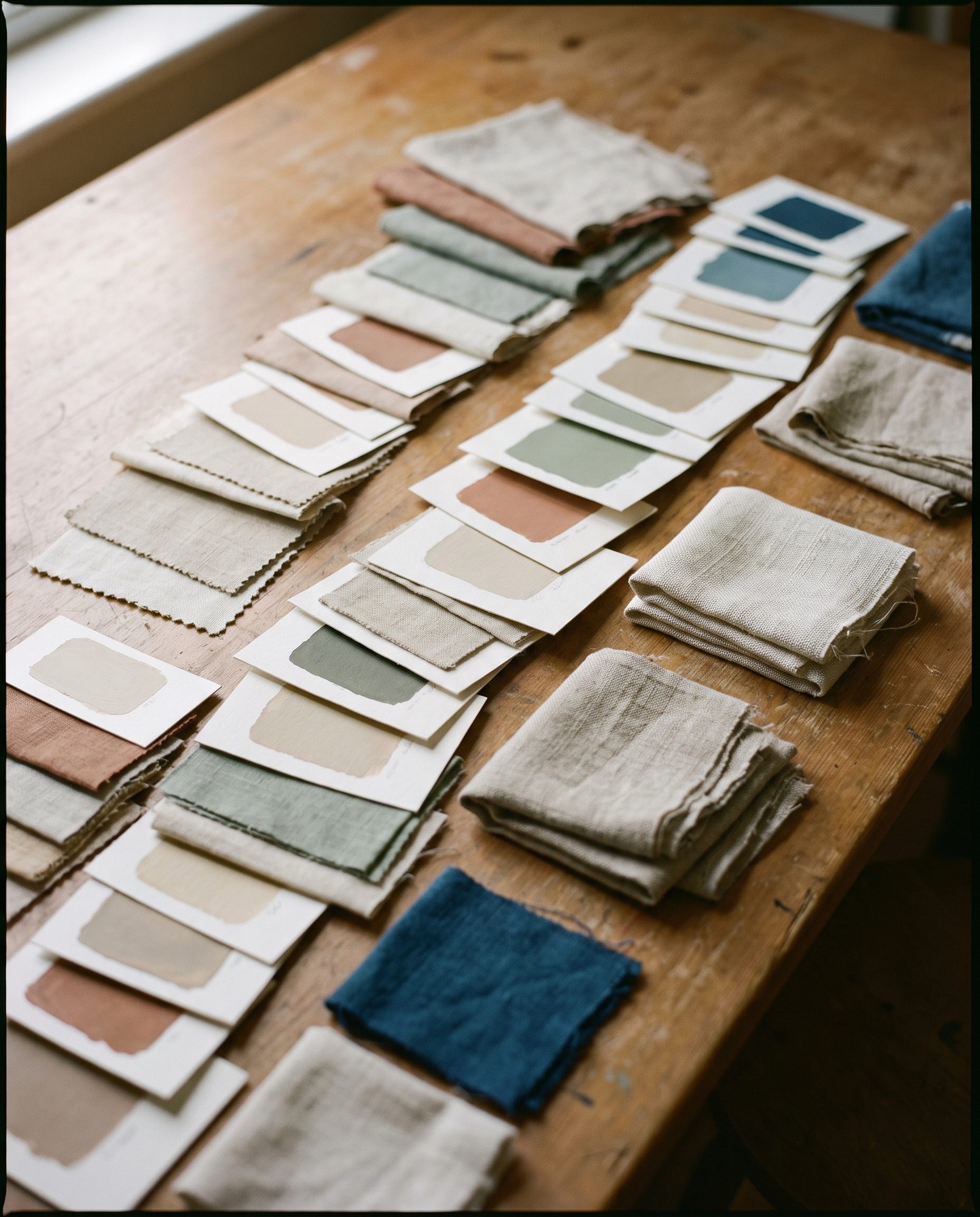
We start where a cut-and-sew unit has nothing to offer: what the cloth is doing this season, and what your customer is actually reaching for. Swatches come in from knitting and dyeing partners in Ludhiana and the NCR, texture qualities from Surat, and direct from China where a handle is not made here.
The output of this stage is a shortlist you can hold — qualities, weights, prices in principle and lead-time consequences — not a mood board. If a fabric you have asked for is going to add three weeks to the calendar, this is the stage where we tell you, not week six.
02 — The method
Design
A category and a season is a complete brief here.
- Made in-house
- 100+ styles
- Held here
- Blocks, CAD, print repeats
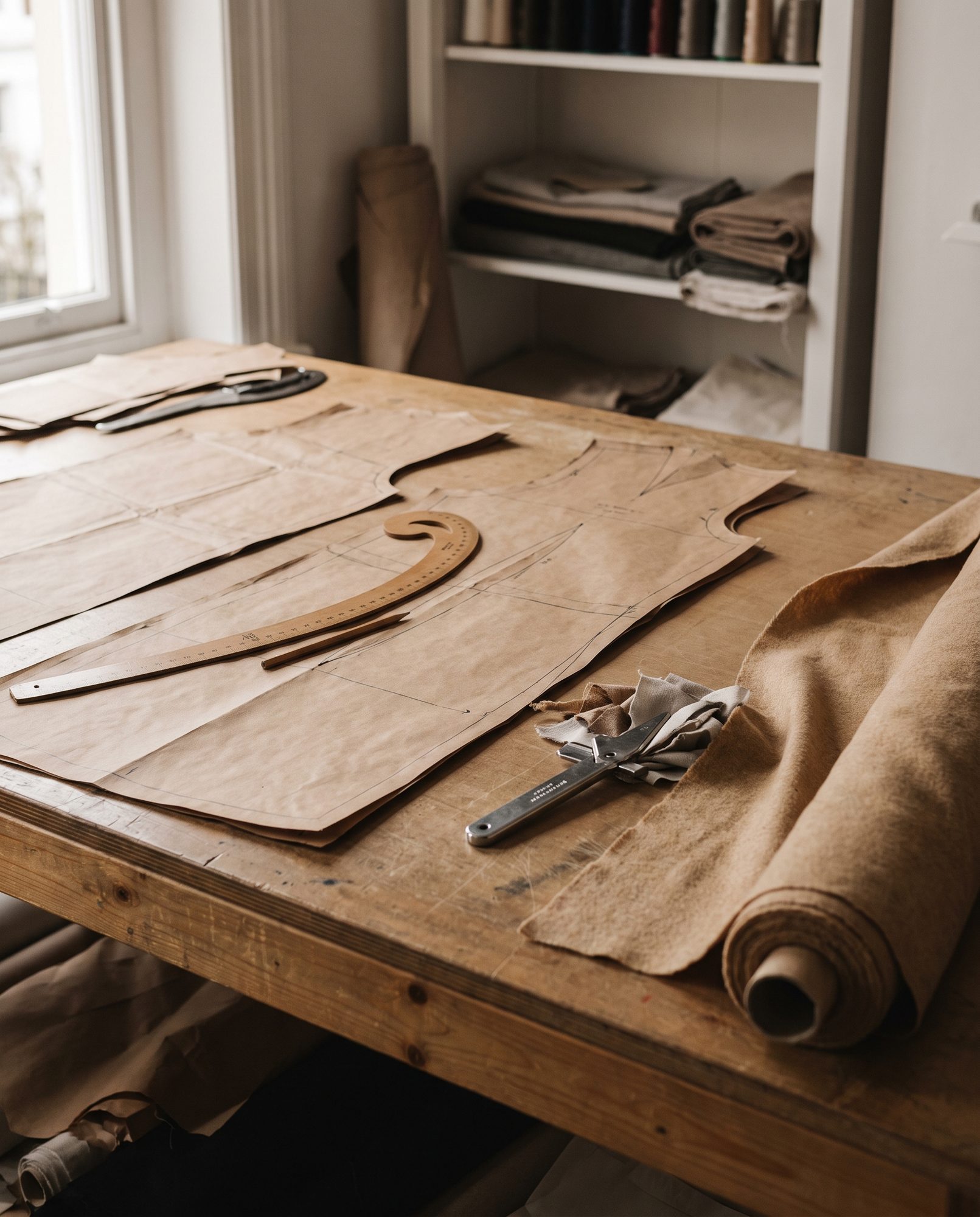
In-house design, CAD and pattern making in-house: prints developed and put into repeat, fits drawn onto blocks we own, colour cards built against the dye houses we actually use. 100+ styles are made in-house.
If you already have a tech pack we execute it and come back with questions rather than assumptions — the fabric substitution that will hold, the seam that will not survive the wash, the trim that will fail a kids' rule.
03 — The method
Develop
First proto in 7 to 10 days from the brief.
- First proto
- 7–10 days
- Sampling room
- Third floor, beside patterns
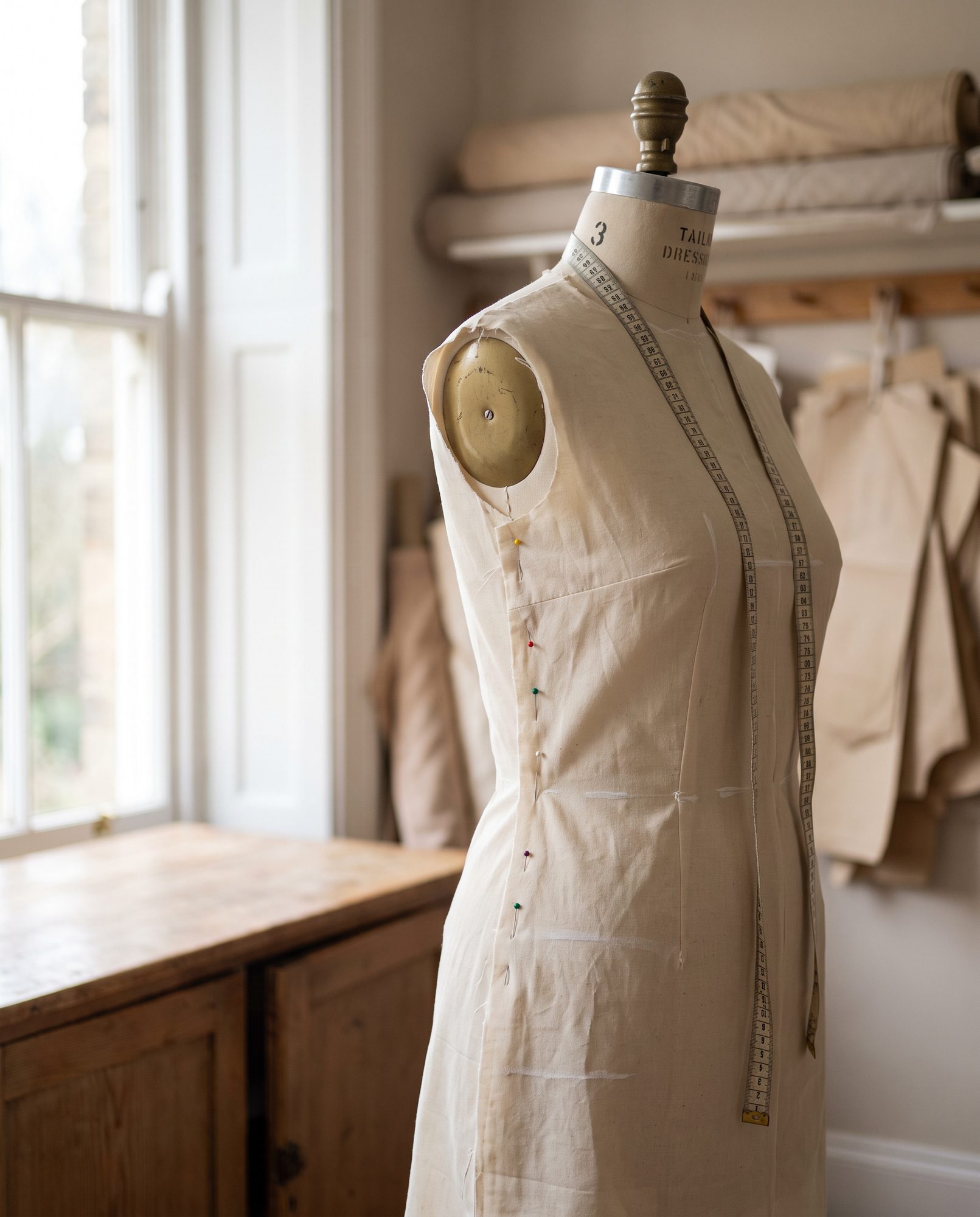
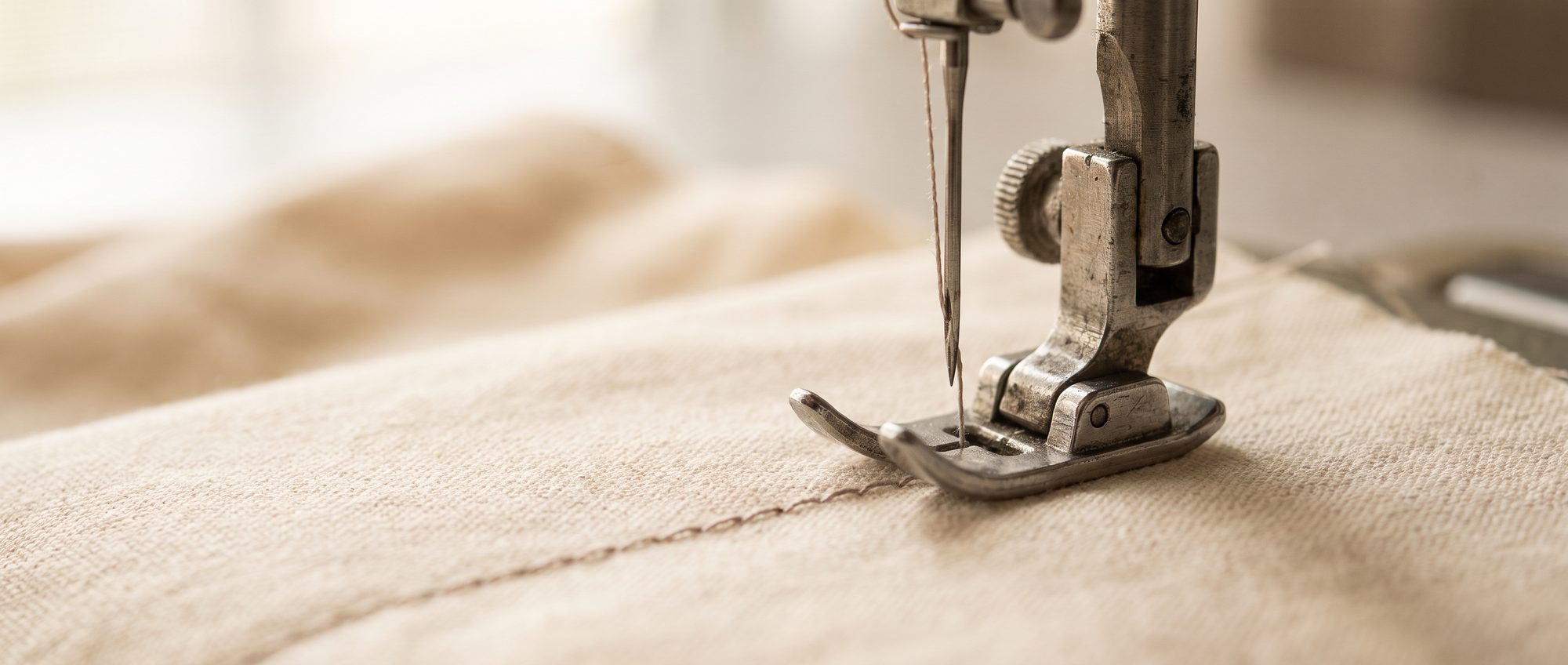
The sampling room sits next to the pattern department, so a correction is a walk across a floor rather than an email chain. Proto, fit, PP, size set and top samples all run here, on the machines the bulk will run on.
This is the stage that decides whether bulk drifts. A fit signed off on a substitute fabric, or a PP sample approved without a size set, is the most common cause of a garment that looks different at 3,000 pieces than it did at one.
04 — The method
Deliver
30 to 40 days on a first order. 12 to 15 on a repeat.
- First order
- 30–40 days
- Repeat
- 12–15 days
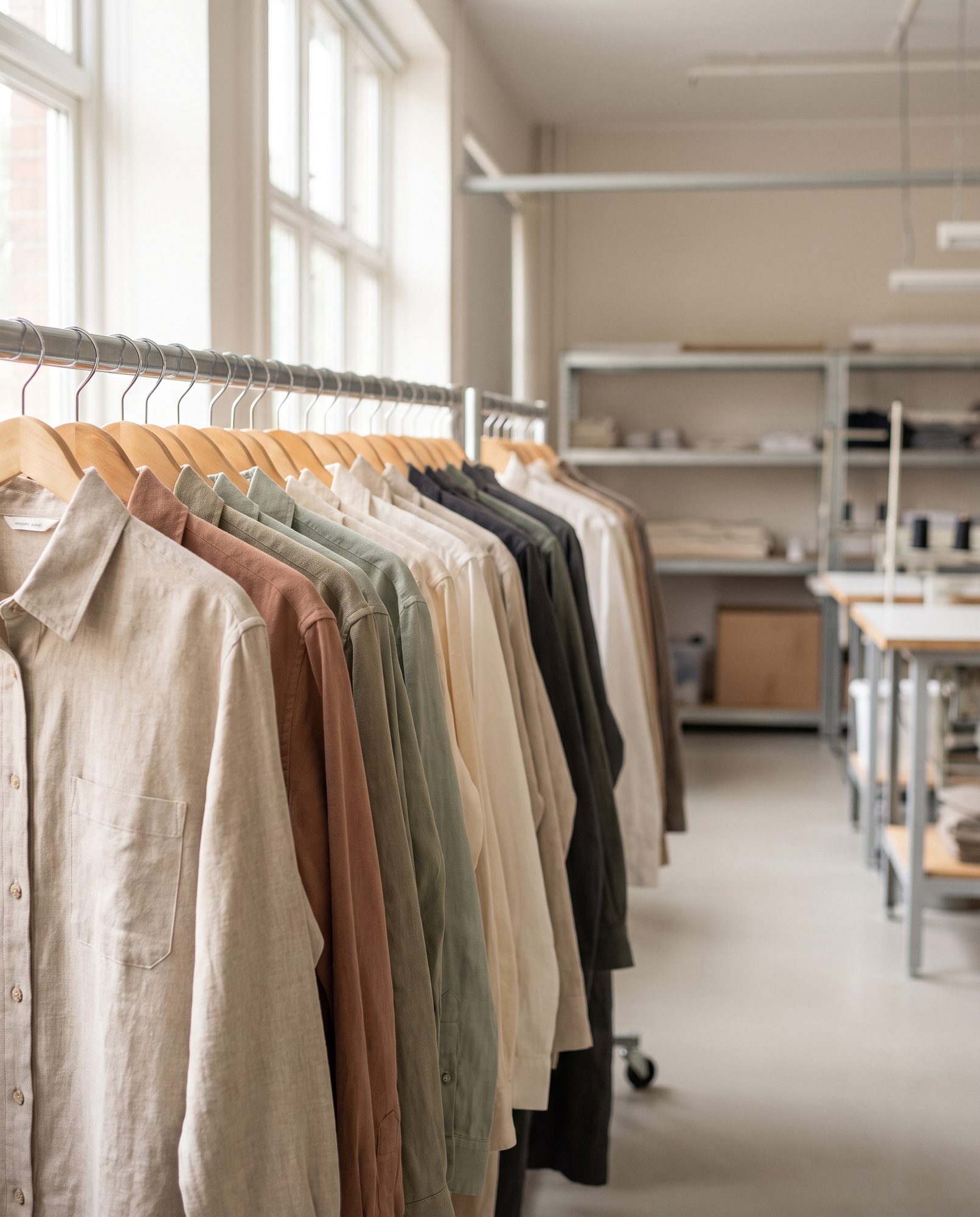
Cutting on the ground floor, embroidery on the first, production, finishing and packing on the second. In-line and end-line inspection to your AQL, self-inspection reporting on every lot, and thread-sucking and needle detection before anything is packed.
Live export programmes ship to the United States and Japan under SGS third-party inspection. What we commit to is a date and the honest position on it every week, including the weeks when the honest position is bad.
The critical path
Forty days, hour by hour.
This is a first order from approval to handover. Every stage below has a date on it, and a person whose week is spent on it. Scroll to walk the calendar.
Days 1–5 · 5 days
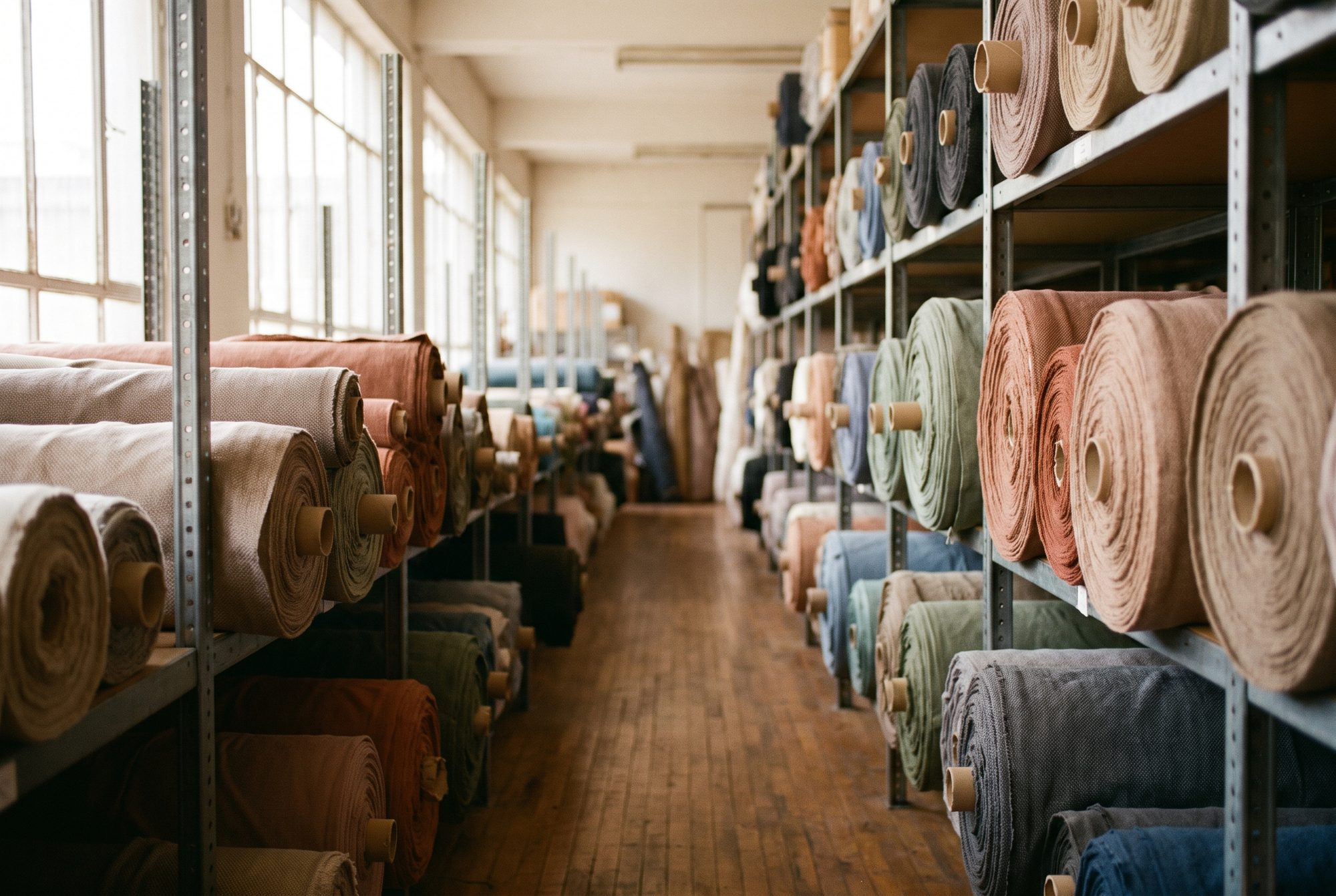
Fabric booking and colour submission
Nothing visible happens. Yarn or grey is committed, the dye house is booked, lab dips go out against your standard.
The order is won or lost here.
Days 6–12 · 7 days
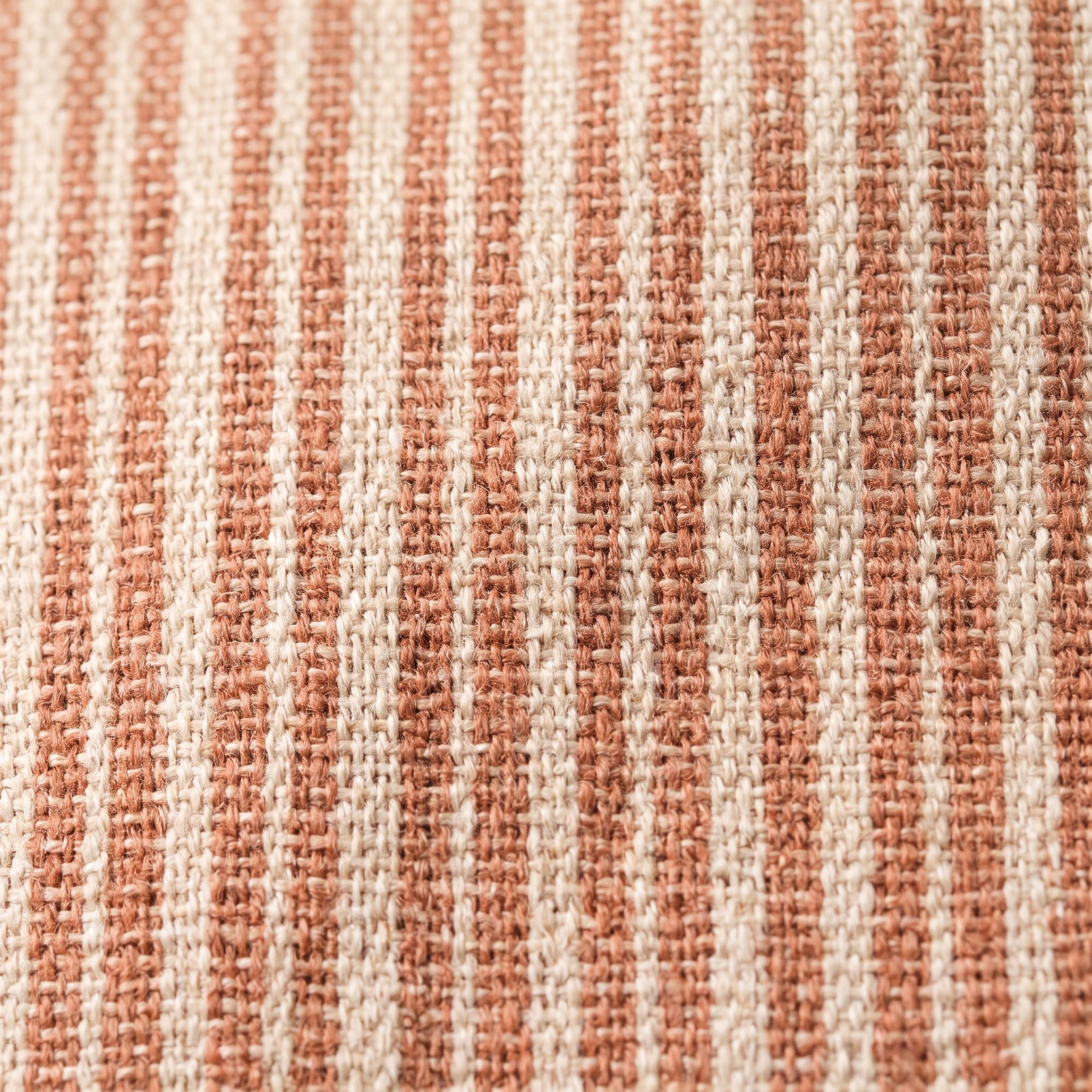
Dyeing and finishing at the mill
The fabric is out of our hands and entirely inside our responsibility. A merchant of ours sits on the dye house, because a shade rejected in week two is a shipment lost in week six.
Days 13–16 · 4 days
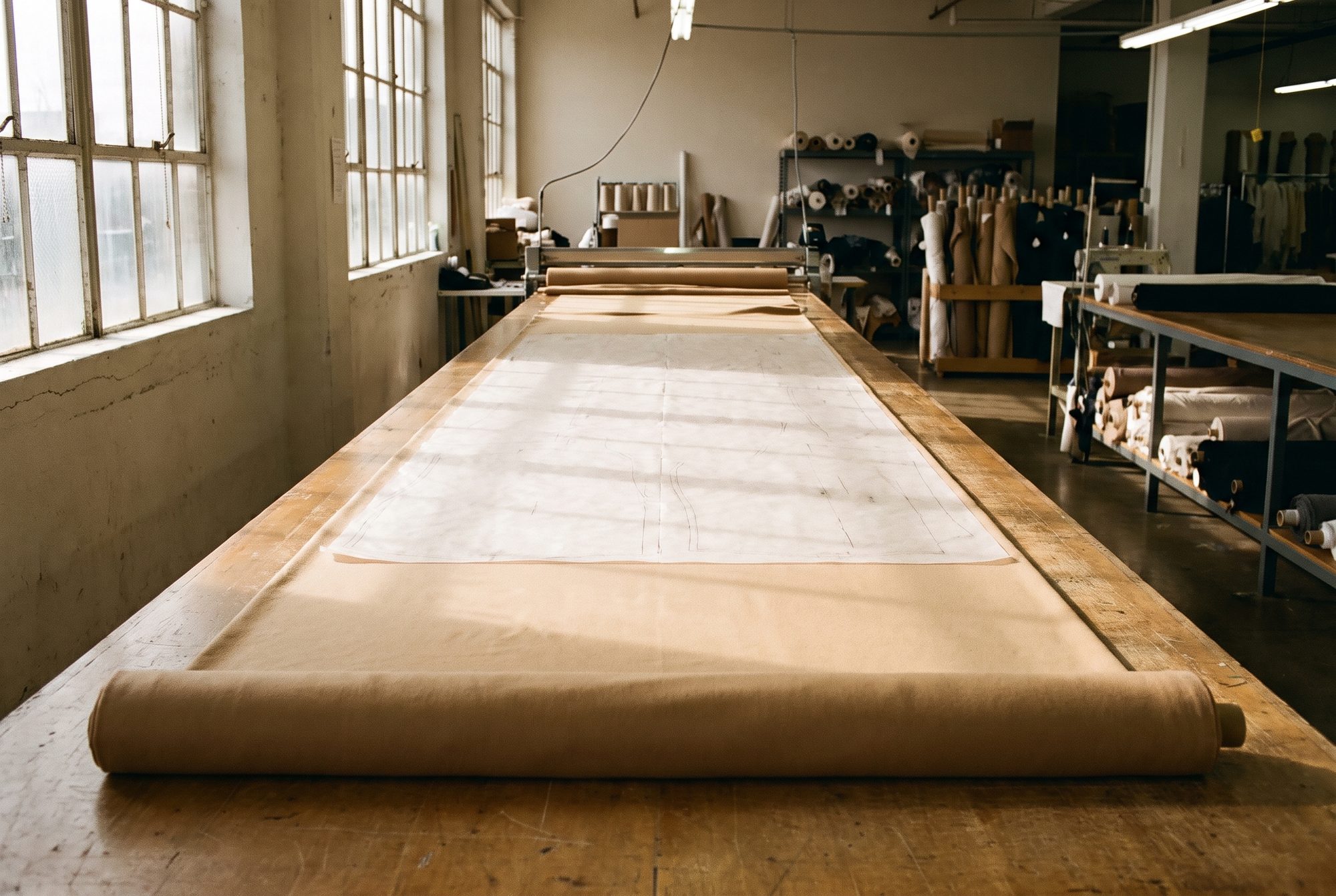
Fabric in, inspected, relaxed, cut
Roll-by-roll inspection, shade banding, then relaxation before cutting — knits especially. Four tables at 7 ft by 25 ft take the lay.
Days 17–19 · 3 days
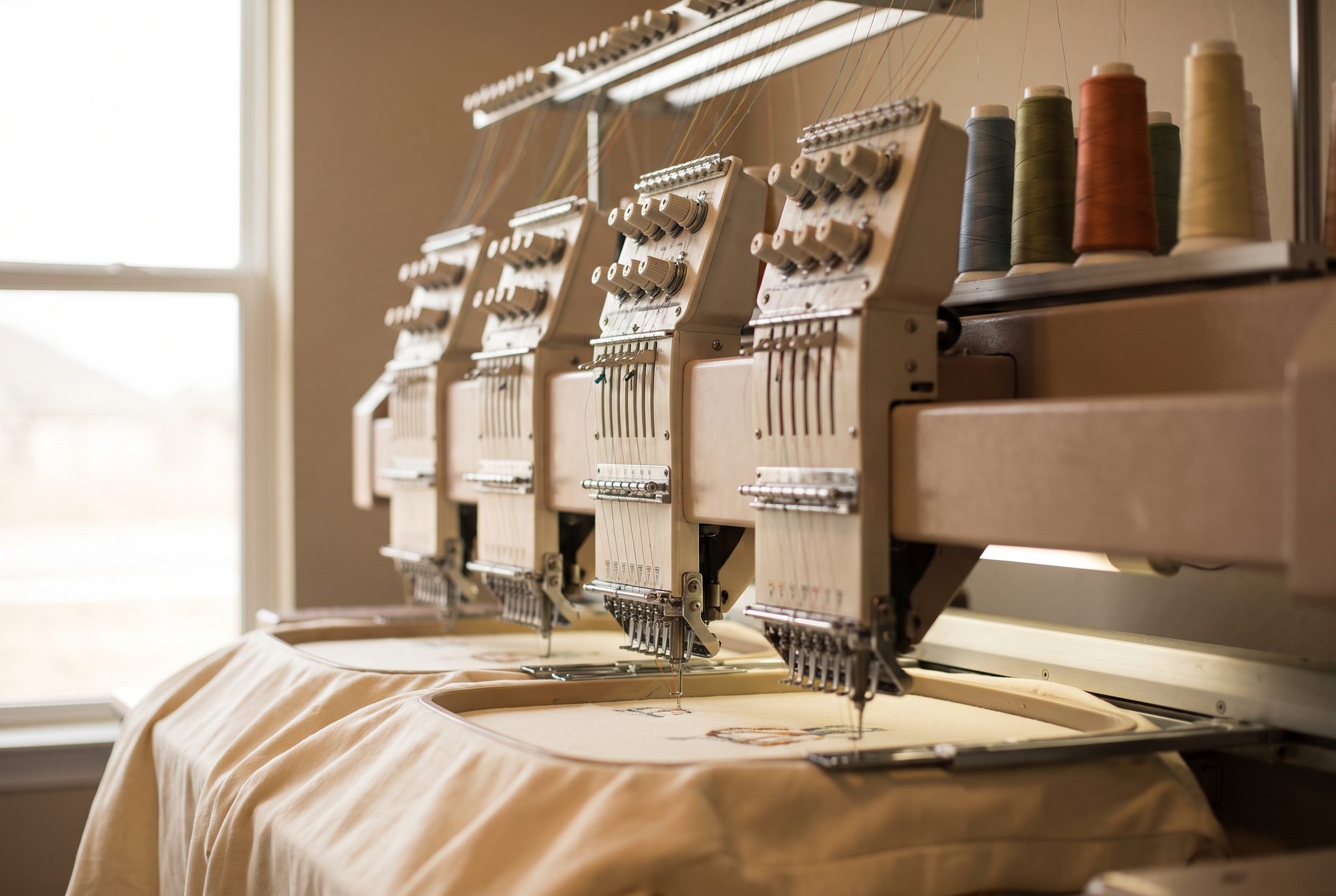
Printing or embroidery, and the trials
Placement print, heat transfer or embroidery on our own heads — plus the strike-offs and wash trials nobody puts on a schedule but everybody needs.
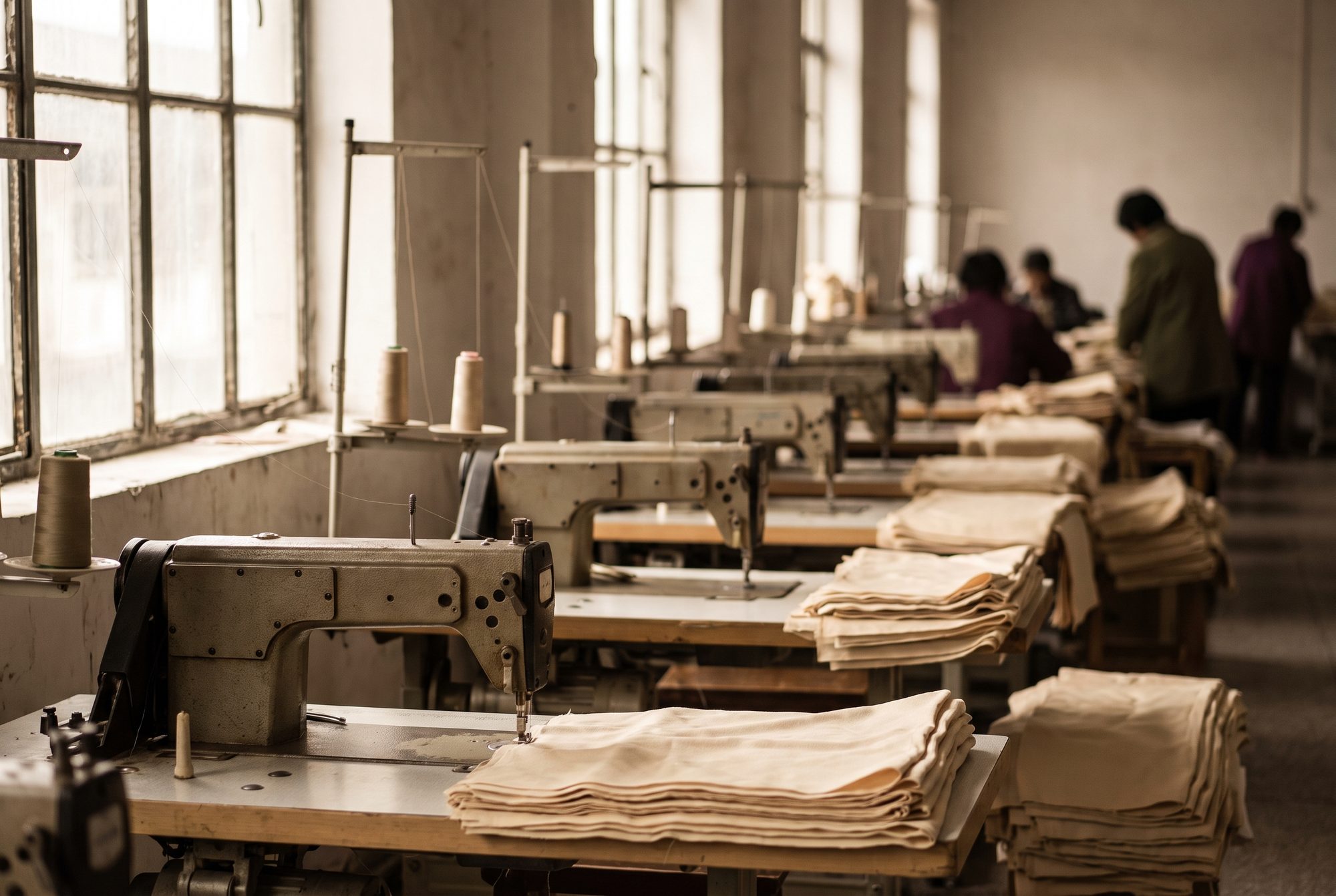
Days 20–31 · 12 days
Stitching
The line runs. Single-needle, overlock, flatlock, bar-tack and buttonhole, with specialised folders where the operation calls for one. In-line inspection runs alongside, not afterwards.
Days 32–36 · 5 days
Finishing, pressing and final QC
Eleven pressing tables, hot-press for transfers, end-line inspection to your AQL, and self-inspection reporting on the lot.
Days 37–40 · 4 days
Packing, documentation, handover
Thread-sucking and needle detection, then ratio packing, cartons, marks and documents. Third-party inspection where the programme calls for it.
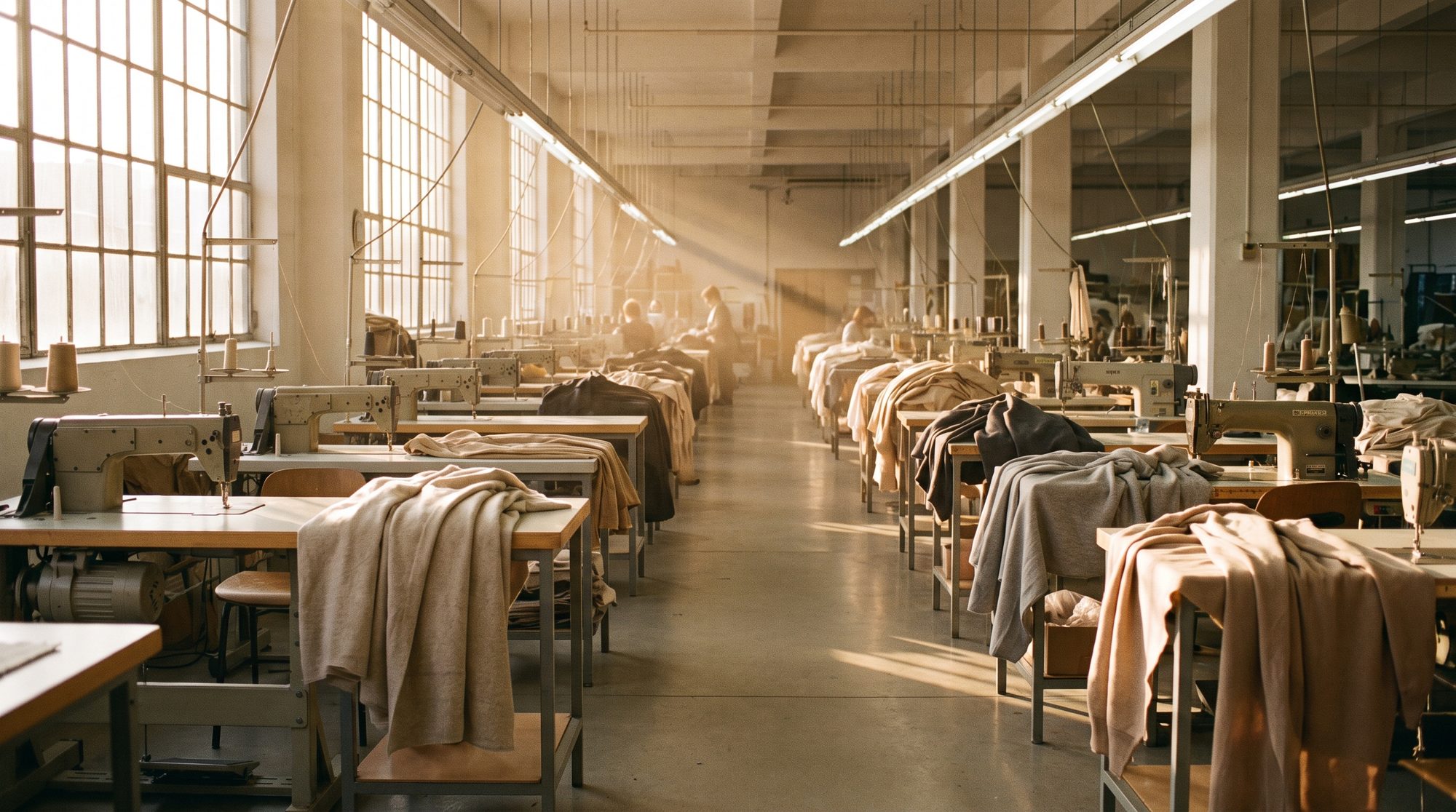
Stitching is 12 of the 40 days.
Twenty-eight of the forty are fabric, approvals, cutting, surface work, finishing and paperwork. So when a vendor tells you he will recover a two-week delay by adding a line, he is offering to speed up the one stage that was not the problem.
Delays come from colour approval, from a print strike-off going back twice, from a dye lot rejected at inspection. Those are the stages to press us on, and the ones we will report on before you have to ask.
Your side of the calendar
What we need from you, and when.
None of this is unusual. It is written down because the dates are real and because a late approval does not stay late — it compounds.
Before day 1
Brief or tech pack, target price, quantity and the date goods must be in your warehouse.
Day 1–2
Colour standards — a Pantone reference or, better, a physical swatch. A verbal shade description costs a week.
Day 4–5
Lab dip approval. This is the single most time-critical decision on the calendar.
Day 8–10
Print strike-off and embroidery sample sign-off, with comments in one pass rather than three.
Day 14–16
PP sample approval, size set comments, and the final packing and label instruction.
Day 30 onward
Inspection booking if you use a third party, and shipping instructions.
Two days lost on colour approval in week two is not two days at the end. The dye house slot moves to the next queue, and two days becomes a week.
Sampling
Five samples, and what each one is actually for.
First proto in 7 to 10 days from the brief. Everything after it exists to make sure bulk looks like the sample you approved.
Proto
7–10 days from brief
Does the idea work as a garment? Cut in an available quality, often not the final fabric.
Fit
5–7 days per round
The block against your measurement chart. One or two rounds is normal; three means the chart and the block disagree.
PP
7–10 days
Pre-production, in bulk fabric with bulk trims. This is the sample the line is built against.
Size set
5–7 days
The grade proved across the range rather than assumed from a spreadsheet.
Top
From the line
Taken off bulk production so you see what is actually being made, while it can still be corrected.
Repeats
A repeat ships in 12 to 15 days.
The first order is the one buyers negotiate; the repeat is the one that makes them money. Fabric quality is proved, the dye recipe exists, the block is approved, the line has made it before — so the only real variable is fabric availability.
If a style is going to repeat, tell us at the first order. We will hold the greige or book the dye slot forward, and the 12 to 15 days becomes reliable rather than lucky.
Send the brief and the date you need goods in.
Tell us the category, roughly how many pieces across how many colours, and the week the goods must land. You will get an honest read on the calendar, including if the date does not work.