Capabilities
Two units, and an honest account of what runs on them.
150,000 pieces a month, 100+ styles made in-house, and a buyer showroom. What follows is a description of the work, not a claim about it.
Read this first
What we are not right for.
Two hundred thousand units of a single basic tee. A unit built for that runs one fabric, one operation and a price fought over in paise; we run 150 pieces a colour across 3 to 4 colours, with prints, embroidery and a pattern department. Send us that order and someone else will beat us on it, deservedly.
- —Single-style commodity volume run flat for weeks at a time.
- —Programmes priced against a bare knit tee with no surface work.
- —Categories outside apparel — footwear and leather goods.
The units
Udyog Vihar Phase V, and Dundahera.
One building holds the whole chain from swatch to carton. The second takes production that would otherwise sit in a queue behind it.
Main unit
Udyog Vihar Phase V
868 Udyog Vihar Phase V, Gurgaon 122016. Design, sampling, cutting, embroidery, production, finishing, packing and the buyer showroom, in one building.
Second unit
Dundahera
A second production unit: 30 single-needle direct-drive machines and two five-thread overlock.
Offerings and processes
What a programme with us includes.
In the order the work happens, from a brief to a banded carton.
01
Design and development
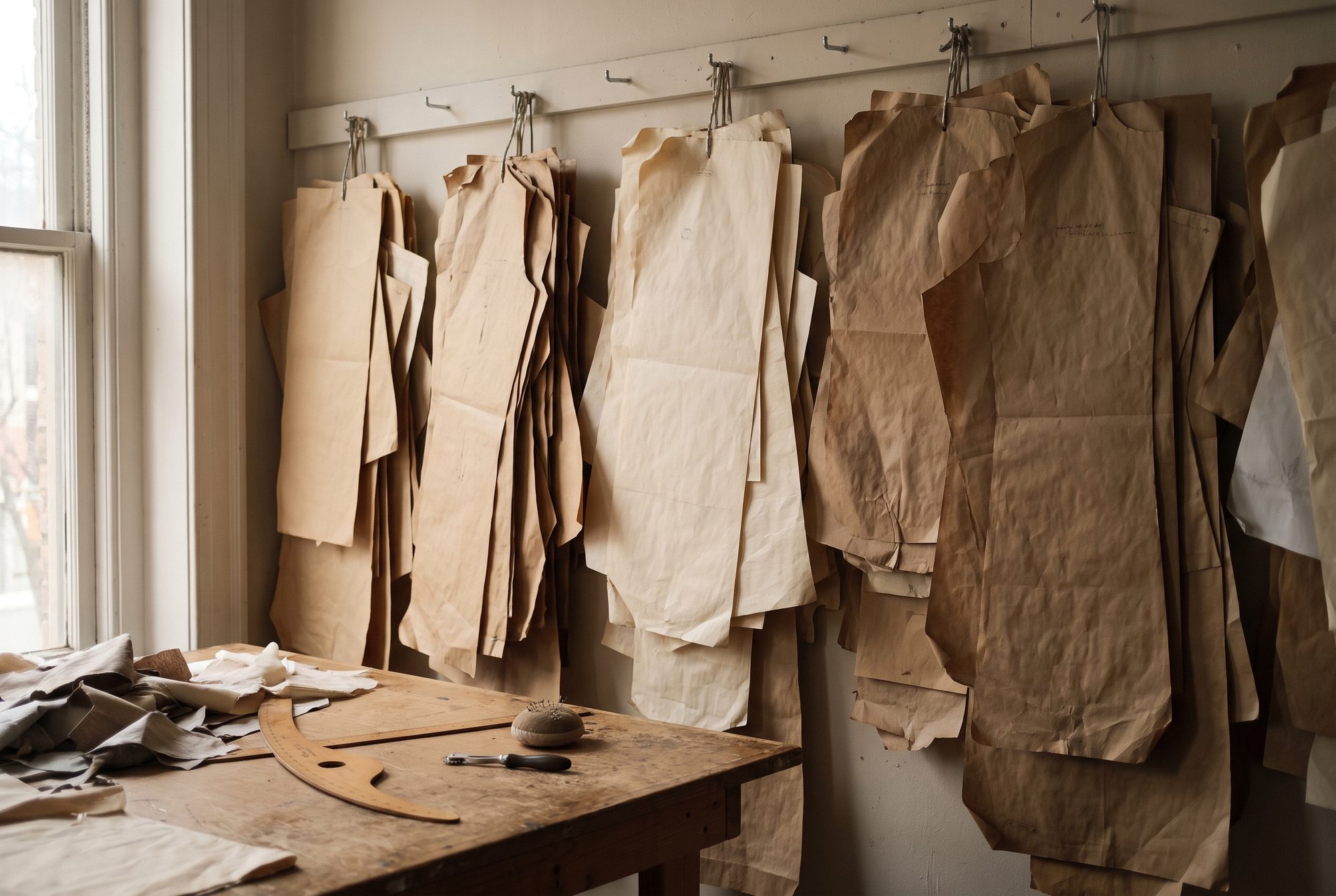
Trend research, CAD, tech pack development, pattern making, grading and marker planning.
02
Fabric
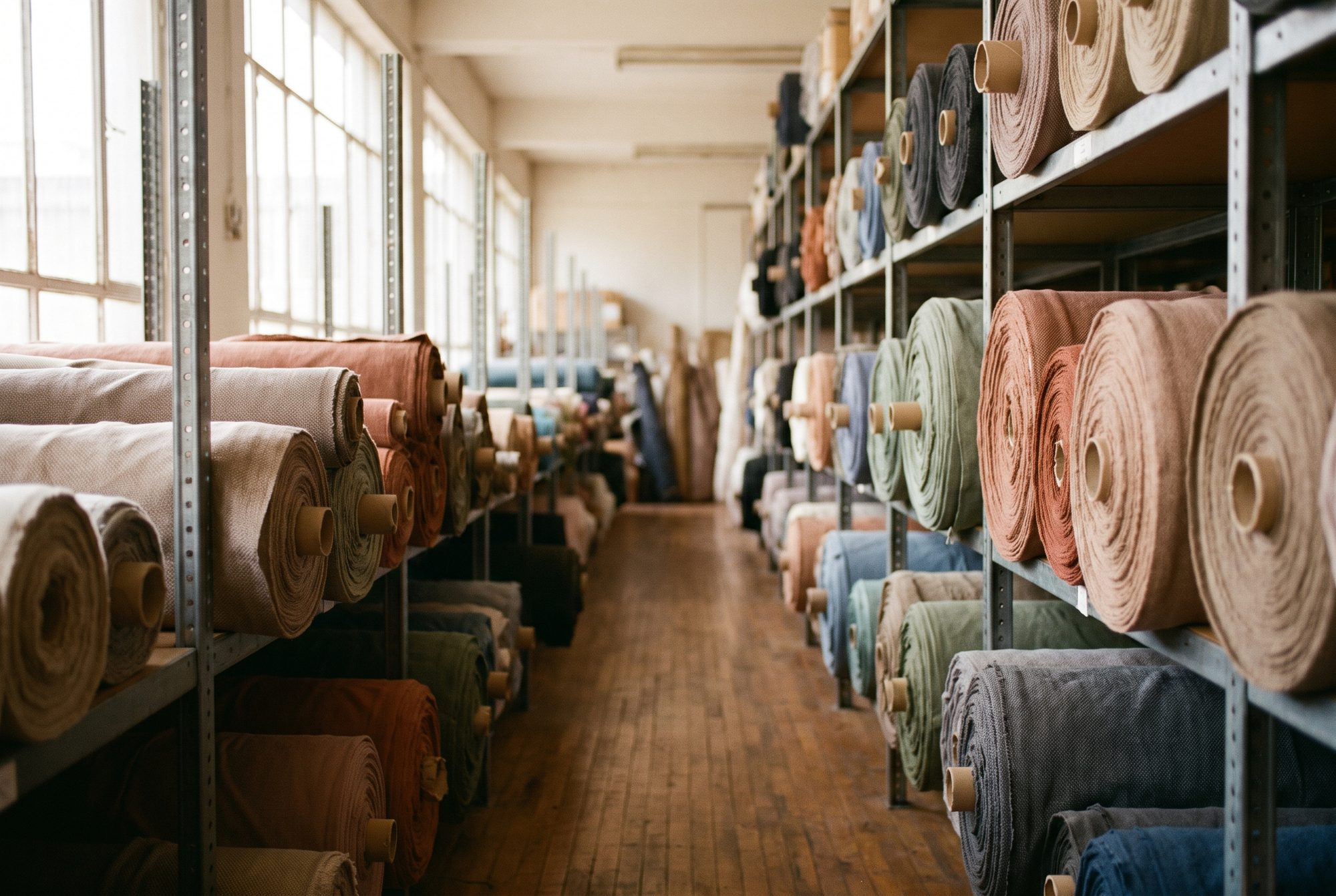
Sourcing, booking, lab dips, and shrinkage and GSM checks before cutting.
03
Sampling
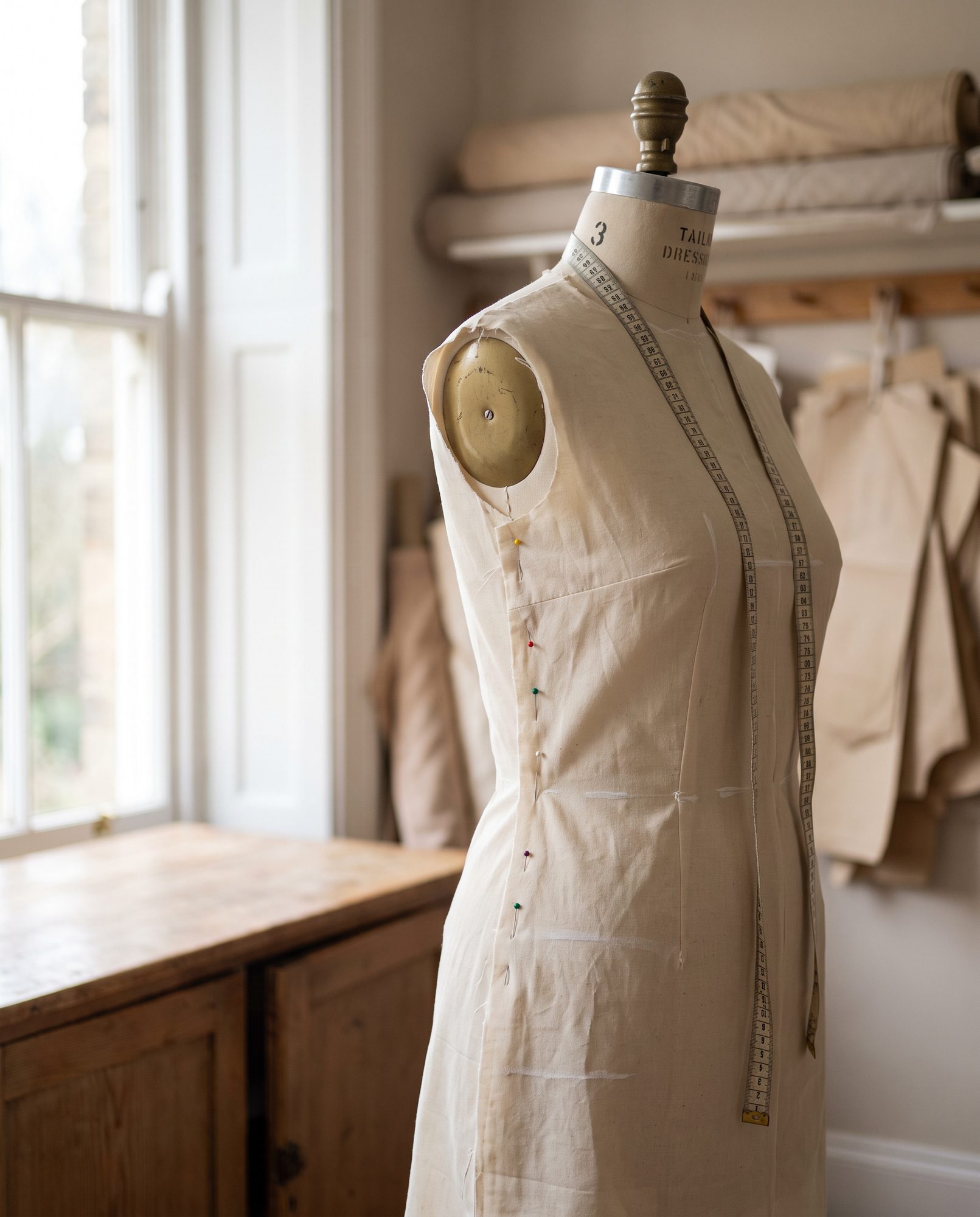
Proto, fit, PP, size set and top-of-production. First proto in 7 to 10 days from brief.
04
Cutting and fusing
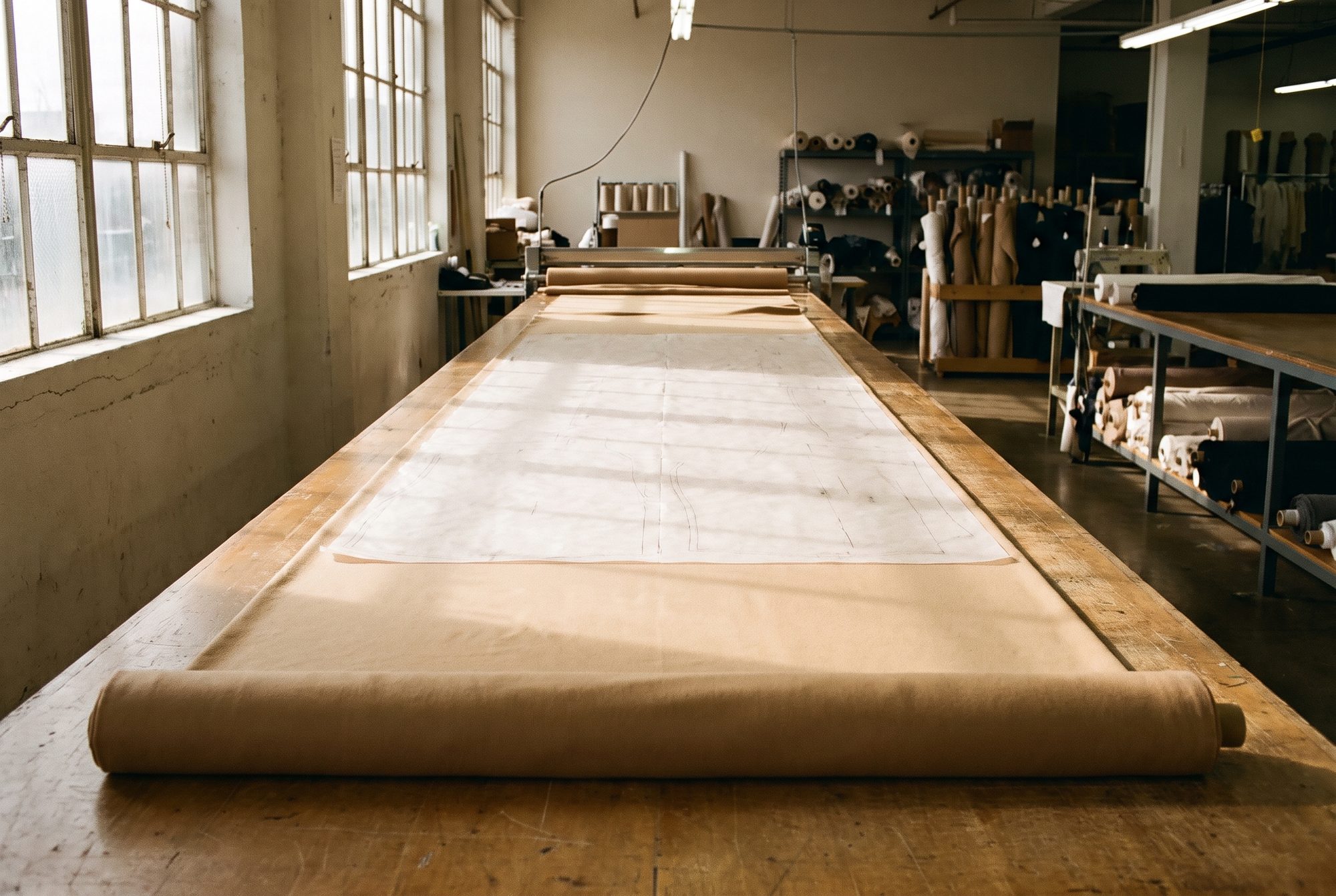
Lay planning, four tables at 7 ft by 25 ft, bundling and fusing.
05
Printing
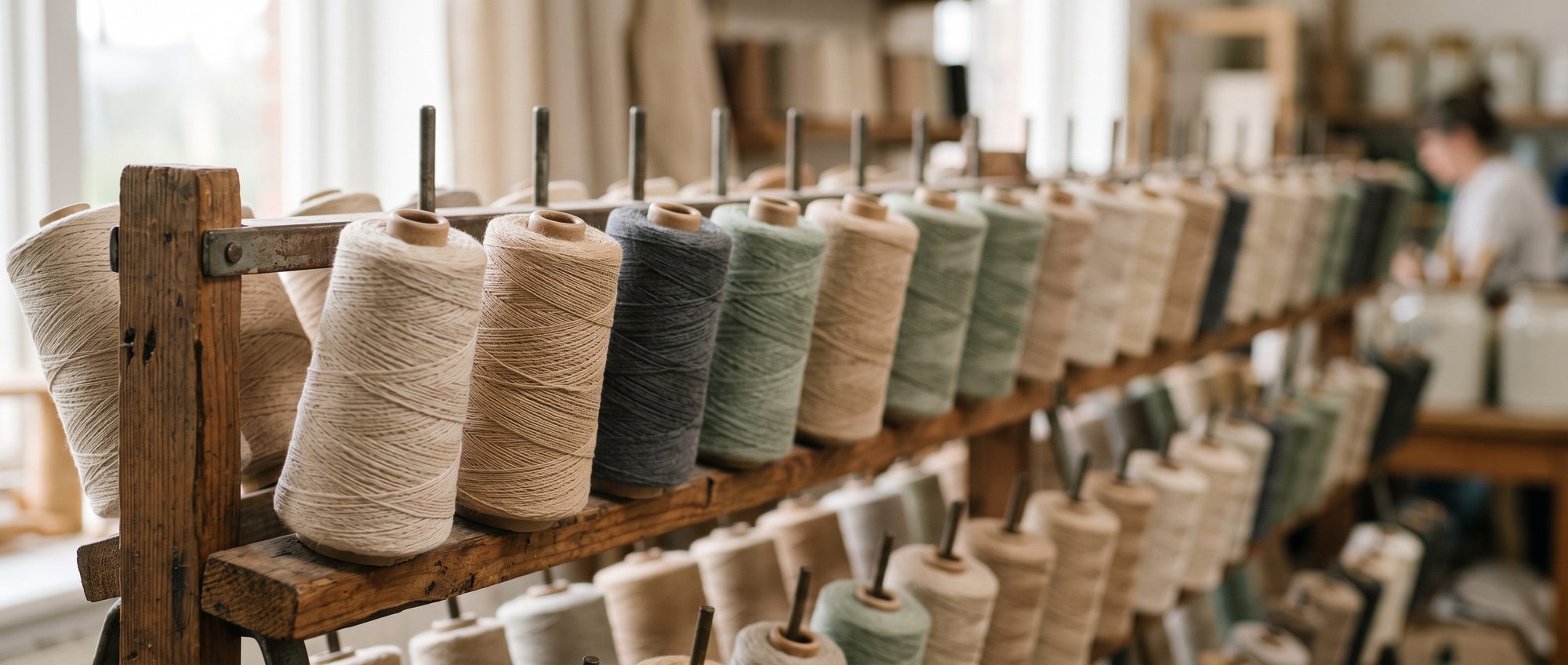
Screen, pigment, discharge, plastisol, water-based, puff, high-density, foil, flock, sublimation, digital and all-over print, and heat transfer.
06
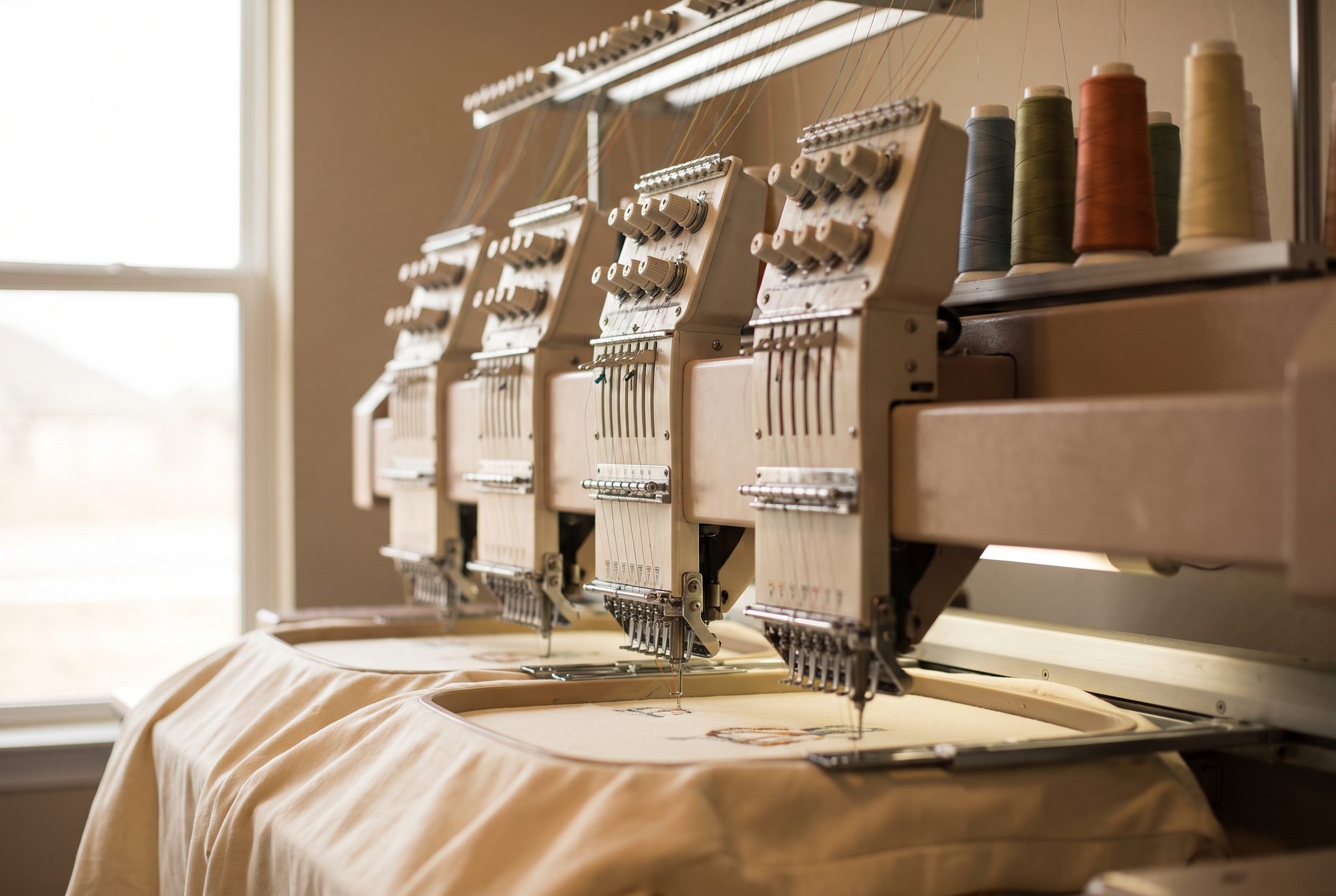
Embroidery
Computerised multi-head, chain stitch, sequin, cording, appliqué, and hand work where the design calls for it.
07
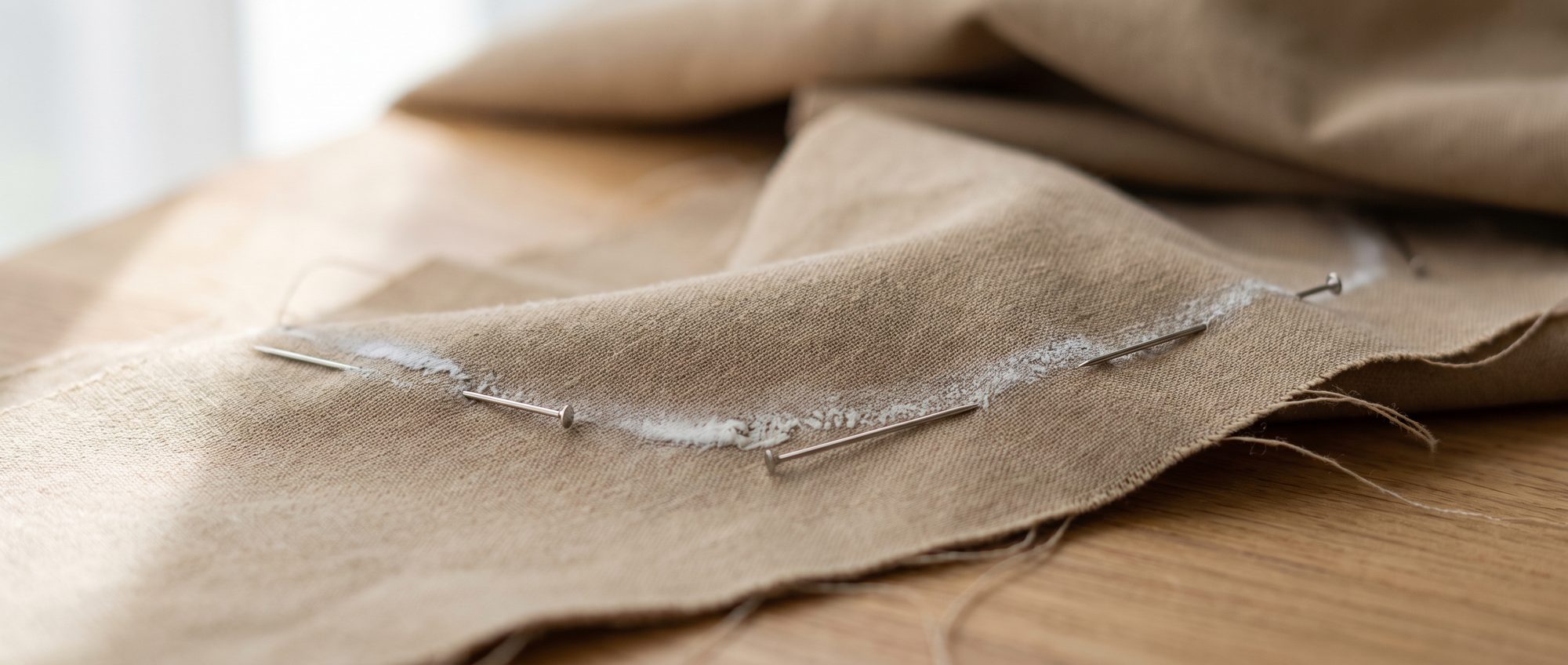
Surface and value addition
Pintuck, smocking, quilting, pleating, lace, crochet and tassels.
08
Washing and finishing effects
Garment wash, enzyme, stone, acid, garment dye, tie-dye and softening.
09
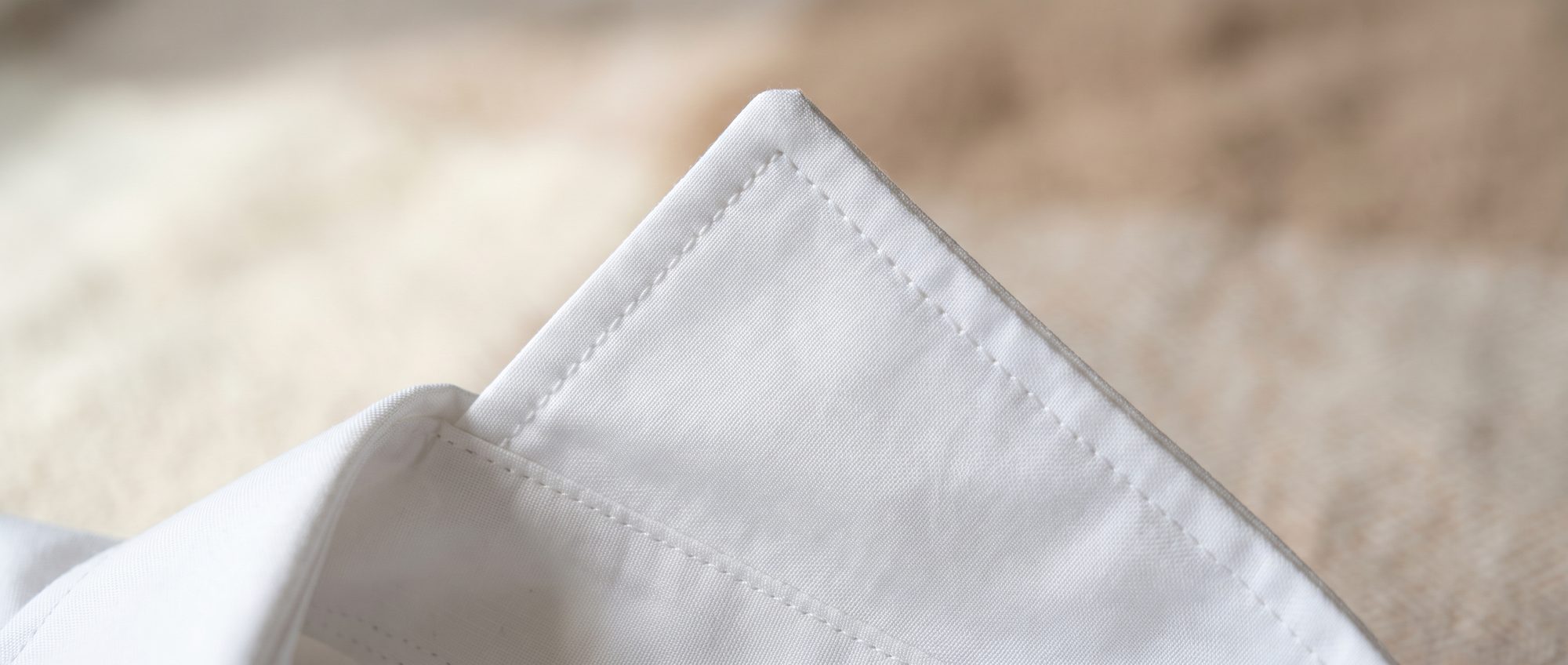
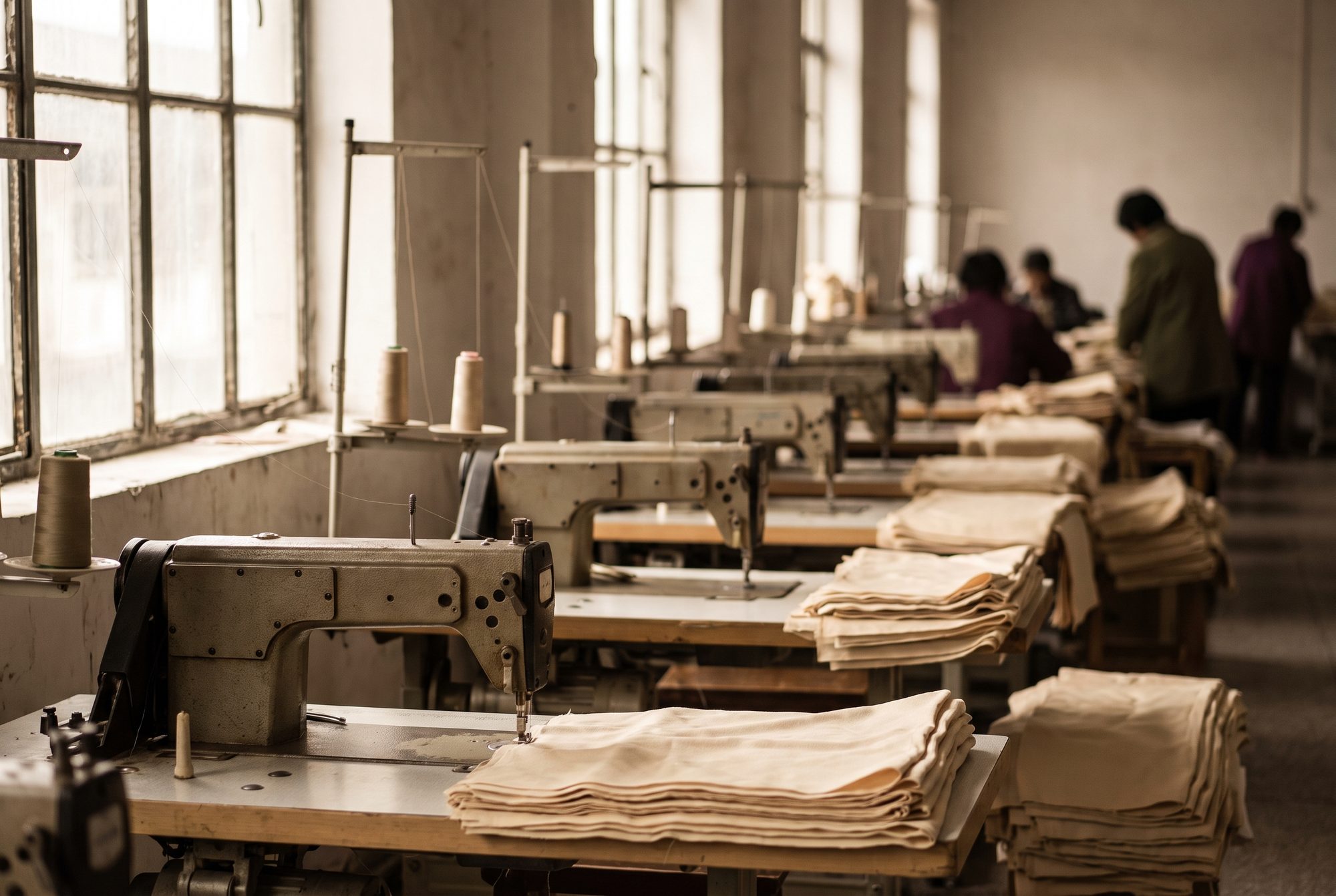
Stitching
200+ machines: single-needle direct-drive with automatic thread trimmers, four-, five- and six-thread overlock, flatlock, bar-tack, button and buttonhole, and coverstitch, with specialised folders where the operation calls for one.
10
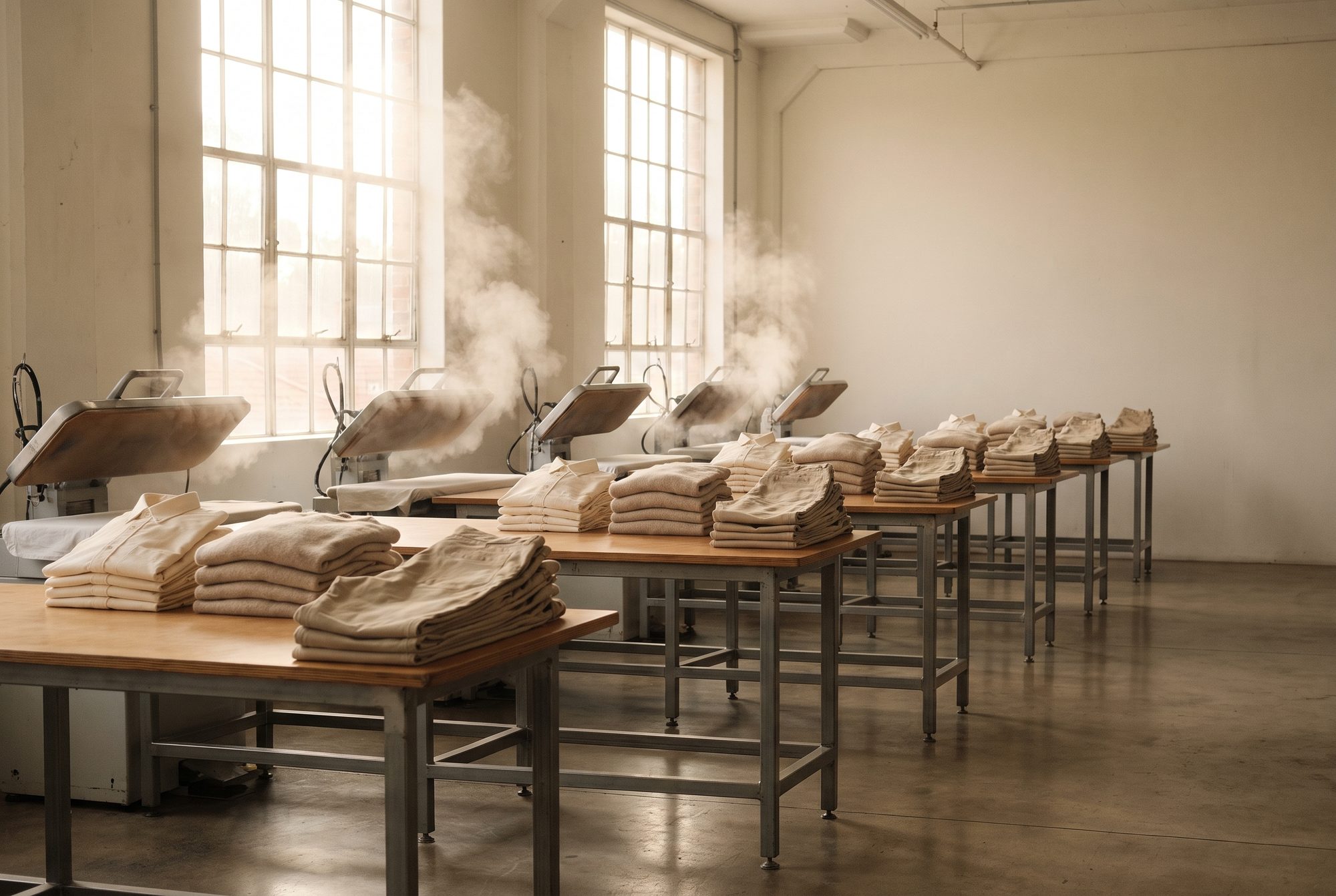
Finishing
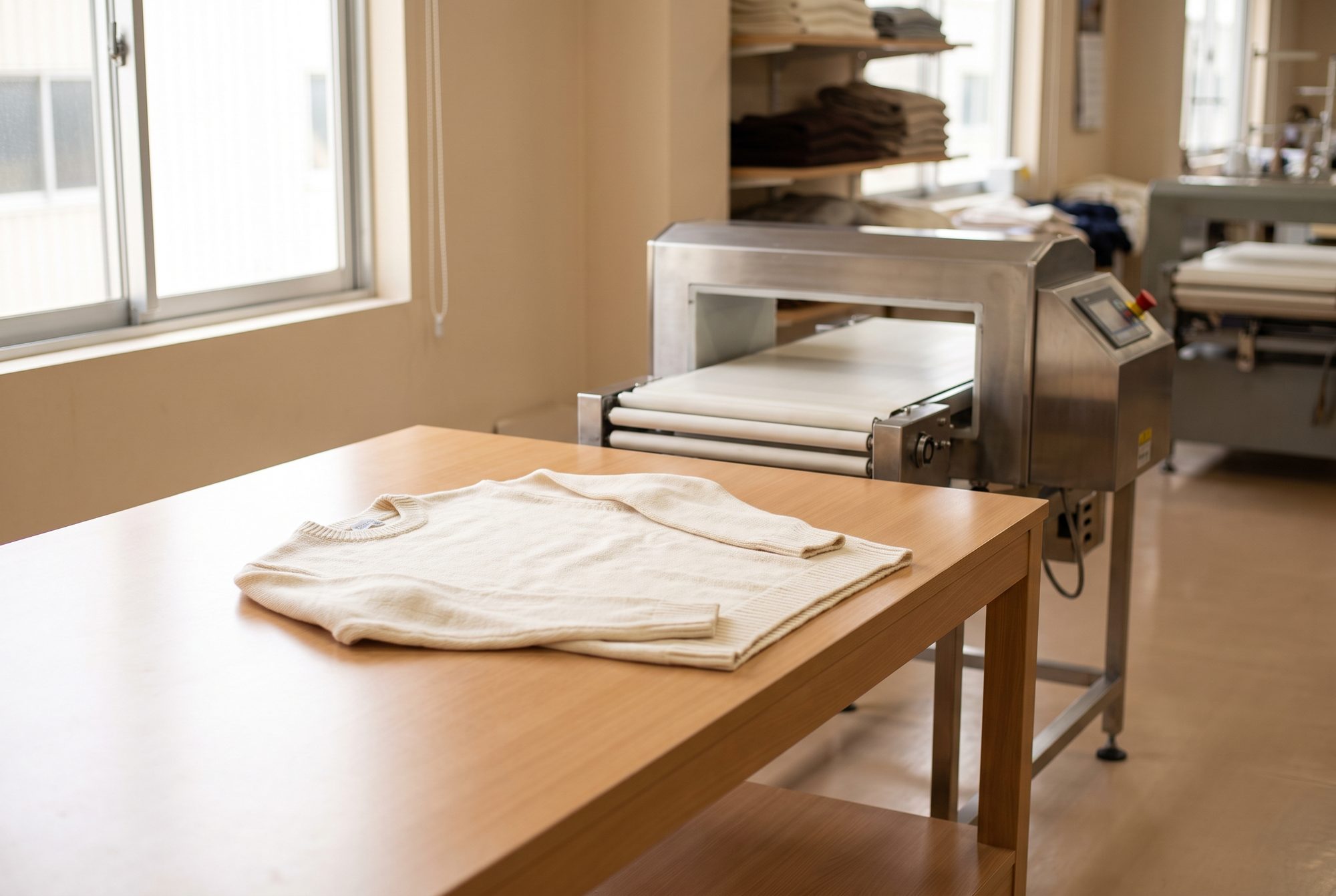
Thread trimming, thread-sucking, pressing across eleven tables, hot-press for transfers, and needle detection before packing.
11
Quality
In-line and end-line checking to your AQL, self-inspection reporting on every lot, and measurement checks through the run.
12
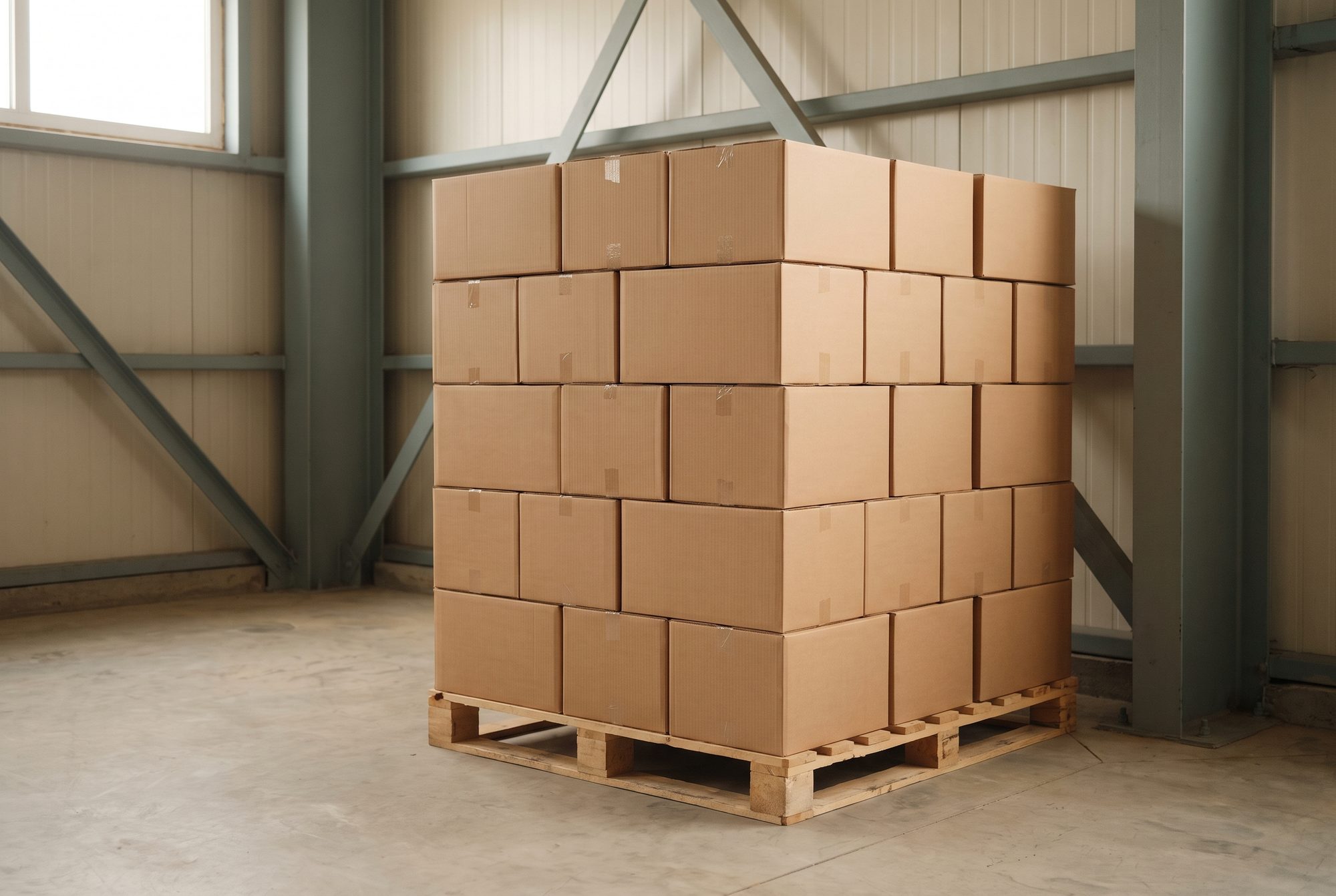
Packing and dispatch
Poly and hanger packing, GOH, cartons, label and tag attachment, packing lists and export documentation.
A selection. Tell us the handle you are chasing and we will tell you whether we run it.
There is a buyer showroom in the main unit. Almost no unit of this size has one, and it exists because we expect buyers to come and sit with the range rather than receive it as a PDF.
Machines
Given as a mix, because the mix is what tells you what we can sew.
A total tells a buyer nothing. Two hundred machines of one type is a tee unit; the list below is a unit that can take a dress, a shirt, a jogger and a jacket down the same floor.
- 175
- single-needle direct-drive, automatic thread trimmers
- 14
- four-thread overlock
- 4
- five-thread overlock
- 2
- six-thread overlock
- 4
- flatlock
- —
- bar-tack, button and buttonhole machines
Cutting
Four tables at 7 ft × 25 ft. Lays checked against the marker before the knife moves.
Finishing
Eleven pressing tables and a hot-press for heat transfers.
The line
An assembly line with specialised folders fitted where the operation calls for one, rather than the operator making the fold by eye.
Capacity
150,000 pieces a month across the two units, and 100+ styles made in-house.
Quality
How the checking actually runs.
In-line and end-line inspection to the AQL you set, self-inspection reporting on every lot, and two machines standing between the line and the polybag.
In-line inspection
Checked at the operation, not at the end of the line, so a fault is caught in a bundle rather than in a lot.
End-line inspection
To the AQL you set. Yours, not a house standard we would prefer.
Self-inspection reporting
Every lot carries its own report — what was checked, what was found, what was reworked.
Before packing
Thread-sucking and needle detection on every garment before it goes into a polybag.
Come and see it, or send a brief first.
The showroom exists for visits, and the enquiry form exists for everything before one. Either way, start with the category and the date.